Source Solar Powered Electric Fence Energizer for Farms
Compare 30 solar powered electric fence energizer models featuring IP68 waterproofing, 11W monocrystalline panels, and CE/RoHS certifications. These units provide reliable pulse voltage output for chicken, livestock, and perimeter security applications; compare the available evidence and request quotations based on your requirements.
Key considerations
Products List


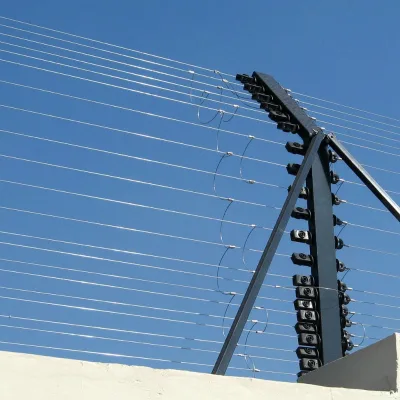
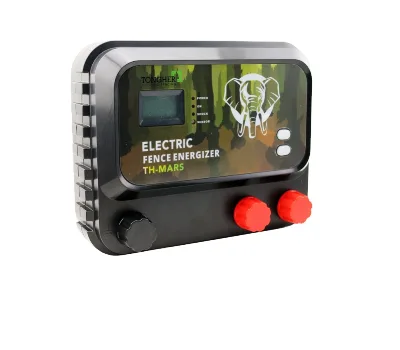
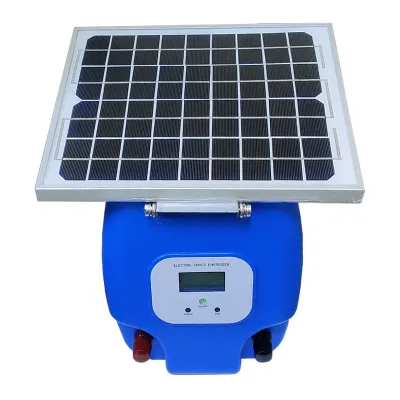
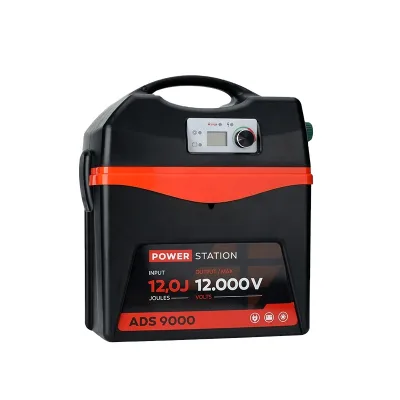


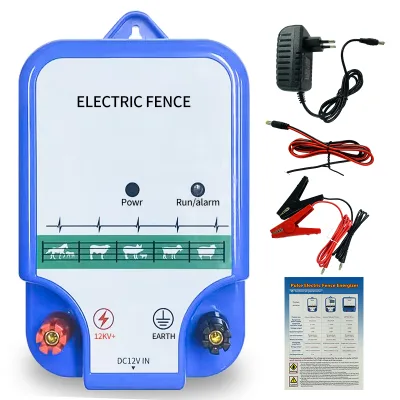
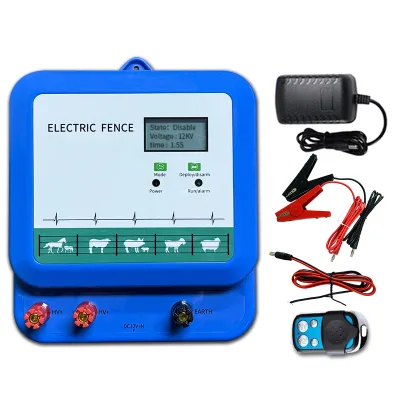
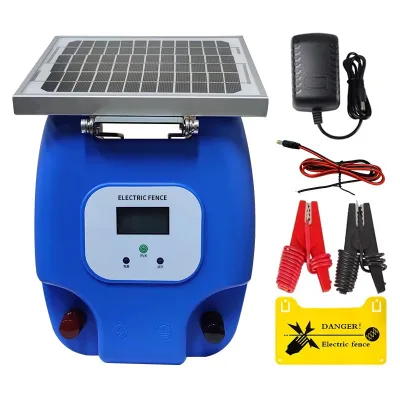


Comprehensive Sourcing Guide
Solar Powered Electric Fence Energizer Sourcing Guide
Procurement professionals must first distinguish between general solar fencing components and complete energizer units, as the market offers both modular parts and integrated systems. The observed product data indicates a specific focus on solar-powered units designed for agricultural applications, particularly for containing livestock such as chickens. Buyers should verify that the listed solar panel power output, typically around 11W in observed listings, matches the energy requirements of the intended fence length and animal type.
When evaluating listings, it is critical to confirm the presence of a battery storage system, as the observed data notes a DC12V/9Ah battery requirement that is often sold separately. The absence of an included battery in some specifications requires immediate clarification with the supplier to ensure the system can operate effectively during periods of low sunlight. Understanding this distinction prevents procurement errors where the solar panel is purchased without the necessary storage capacity to maintain fence voltage overnight.
Product Scope and Observed Listing Signals
The product scope for solar energizers in this dataset includes units with specific waterproof ratings, such as IP68, which ensures operation in harsh outdoor environments without failure. Listings frequently highlight features like built-in lightning protection and anti-dust capabilities, which are essential for maintaining reliability in rural or remote agricultural settings. Buyers should scrutinize the shell material, often ABS plastic or aluminum alloy, to ensure durability against physical impacts and UV degradation over time.
Observed listing signals also reveal variations in customization options and finishing processes, such as powder-coated frames, which can affect the longevity of the unit in corrosive environments. The data shows that some models are non-computerized, relying on simple magnet induction switches, while others may offer more complex monitoring features like indicator lights for charging and pulse output. Procurement teams must align these technical attributes with the operational complexity required by their specific farm infrastructure to avoid over-specifying or under-specifying the equipment.
Technical Specifications to Verify
Technical verification must begin with the solar panel specifications, specifically the peak power output and voltage at maximum power, which directly influence charging efficiency. The observed data cites an 11W monocrystalline panel with a DC18V output, a configuration that must be matched against the battery charging voltage requirements, typically ranging from DC16V to 24V. Buyers should confirm that the panel's voltage output is sufficient to charge the battery fully even under suboptimal lighting conditions to prevent system downtime.
Energy storage and pulse output capabilities are equally critical, with observed units delivering up to 2 Joules of energy output at 500 Ohms and peak voltages reaching 10kV. It is essential to verify the operational duration without sunlight, as some listings claim up to eight days of autonomy, which is a key metric for reliability during extended cloudy periods. Additionally, the effective range, noted as up to 50 miles without vegetation, must be validated against the actual fence line length and terrain to ensure adequate containment.
Compliance and Safety Documentation
Compliance documentation is a non-negotiable aspect of sourcing, with observed products frequently citing CE, RoHS, and FCC certifications as standard requirements. These certifications indicate adherence to international safety and electromagnetic compatibility standards, which are vital for ensuring the equipment does not pose hazards to operators or interfere with other electronic devices. Buyers must request valid test reports or certificates of conformity to verify that the specific batch of units meets these regulatory thresholds before finalizing any purchase order.
Safety features such as built-in lightning protection and waterproofing ratings of IP68 are also part of the compliance landscape, ensuring the device can withstand environmental stressors without creating electrical hazards. The presence of E-MARK certification in some listings suggests compliance with specific vehicle or agricultural machinery standards, which may be relevant depending on the mobility of the fence system. Procurement teams should ensure that all safety claims are backed by documented evidence rather than marketing assertions to mitigate liability risks.
Cost Drivers and Commercial Terms
Cost drivers in this category are heavily influenced by the inclusion of batteries, the quality of the solar panel, and the complexity of the enclosure materials. While observed price ranges vary significantly from $0.09 to $1200, this wide spectrum likely reflects differences between individual components and complete system packages. Buyers must clarify whether the quoted price includes the battery, mounting hardware, and any necessary accessories to avoid unexpected costs that could inflate the total cost of ownership.
Commercial terms such as Minimum Order Quantity (MOQ) and lead times are also significant factors, with observed MOQs ranging from 1 to 2000 units. High-volume buyers may negotiate better pricing tiers, but they must balance this against the risk of holding excess inventory if the product specifications do not perfectly match their needs. It is advisable to request detailed shipping terms and packaging specifications, such as carton or pallet configurations, to accurately calculate logistics costs and storage requirements.
Supplier Qualification and Quality Control
Supplier qualification should focus on verifying the origin of the products, with Guangzhou, China, being a noted production hub for these specific energizers. Buyers must assess the supplier's ability to maintain consistent quality across batches, particularly regarding the finishing processes like powder coating and the integrity of the ABS plastic shells. Requesting samples for independent testing is a prudent step to validate claims regarding waterproofing, pulse output, and overall build quality before committing to a larger order.
Quality control protocols should also include checks on the standardization of components, such as the use of heat-treated wood types for posts or the consistency of the aluminum alloy used in frames. The presence of ISO9001:2000 certification in some listings suggests a commitment to quality management systems, which buyers should verify through recent audit reports. Ensuring that the supplier has a robust process for handling defects and providing replacement units is essential for maintaining operational continuity in critical agricultural applications.
Long-Term Procurement Checks
Long-term procurement strategies must account for the availability of spare parts and the durability of the product under continuous use. Buyers should inquire about the expected lifespan of the solar panel and battery, as these are the components most likely to require replacement over time. Establishing a relationship with a supplier who can provide consistent access to replacement batteries or solar modules will help minimize downtime and extend the useful life of the fencing system.
Finally, ongoing performance monitoring is necessary to ensure that the energizer continues to meet the required voltage and energy output specifications as it ages. Buyers should implement a schedule for regular testing of the pulse voltage and energy output to detect any degradation in performance early. Maintaining detailed records of the product model, serial numbers, and maintenance history will facilitate easier troubleshooting and warranty claims, ensuring the fencing system remains a reliable asset for years.
FAQs
What is the solar panel power output for this energizer?
The unit features an 11W monocrystalline solar panel for reliable charging. This power output ensures consistent energy storage for daily operation. The system includes a built-in lightning protector and waterproof design. It operates effectively even without sunlight for up to eight days. This capacity supports continuous fence energization in various weather conditions.
Can the solar powered electric fence energizer operate without sunlight?
Yes, the device can operate for up to eight days without sunlight. It stores sufficient energy in its internal battery system to maintain function. The power source requires a DC12V/9ah battery, which is not included. This feature ensures continuous protection during cloudy periods or winter months. The system includes charging and battery status indicator lights for monitoring.
What certifications does this electric fence energizer hold?
The product holds CE, RoHS, FCC, and E-MARK certifications. It also complies with ISO9001:2000 standards for quality management. These certifications ensure safety and regulatory compliance for international markets. The aluminum alloy construction and powder-coated finish enhance durability. Buyers can verify these standards through the provided product documentation.
What is the peak voltage output of this energizer?
The peak high voltage output ranges from 5KV to 10KV. The load pulse voltage output is 4.3KV at 500 ohms. This energy output of 2 Joules provides effective containment for livestock. The red indicator light shows the pulse voltage status. This performance level is suitable for chicken and other small livestock applications.
Is the solar powered electric fence energizer waterproof?
Yes, the unit is IP68 rated for outdoor use. It features a waterproof and anti-dust design for harsh environments. The ABS plastic shell protects internal components from moisture and dust. This rating ensures reliable operation in rain or humid conditions. The product is designed for long-term outdoor deployment without degradation.
What is the origin and packaging of this energizer?
The product originates from Guangzhou, China, and is packed in carton boxes or pallets. The net weight is approximately 3 lbs per unit. The packaging ensures safe transit for international shipping. Buyers can request custom packaging options if available. The standard carton packing protects the unit during handling and storage.